آسمان شب در ماه سپتامبر شاهد پدیدهها و رویدادهای نجومی جذابی است که از جمله آنها میتوان به وضعیت سیارات، عبور ماه از کنار صورتهای فلکی و اعتدال پاییزی اشاره کرد. رصدگران آسمان در این ماه فرصت مناسبی برای تماشای اجرام سماوی مختلف در ساعات شامگاهی و بامگاهی خواهند داشت.
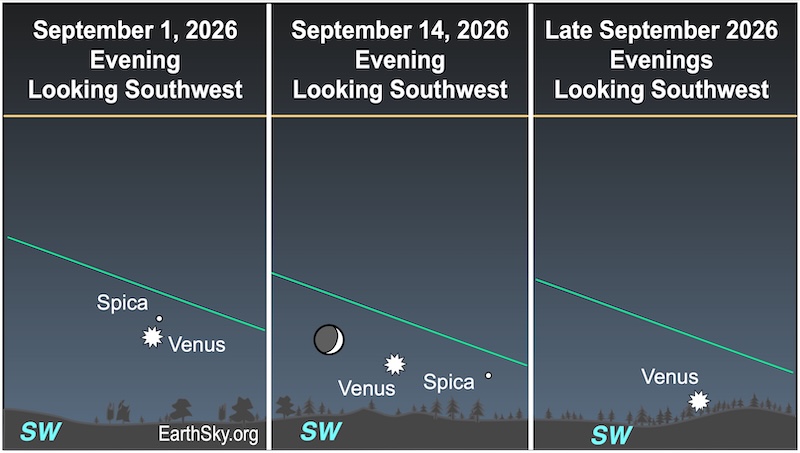
سیاره زهره (ناهید) در این ماه به اوج درخشش خود میرسد و به عنوان یکی از برجستهترین اجرام آسمان شامگاهی خودنمایی میکند. در اوایل سپتامبر، این سیاره در میان تلاطم گرگومیش غرب در نزدیکی ستاره سماک اعزل جای دارد و با گذشت روزها، مسیر خود را ادامه میدهد.
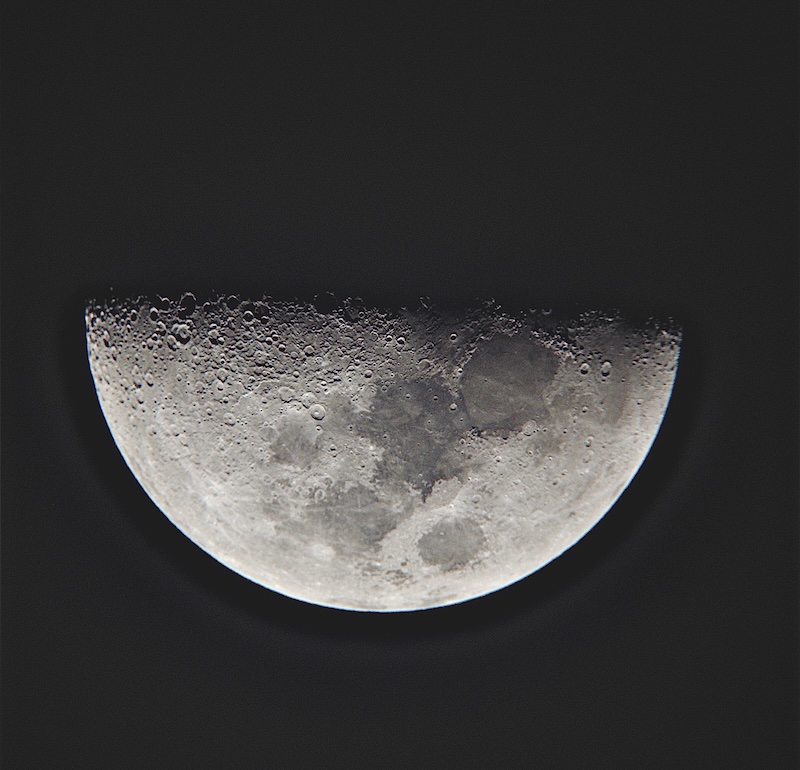
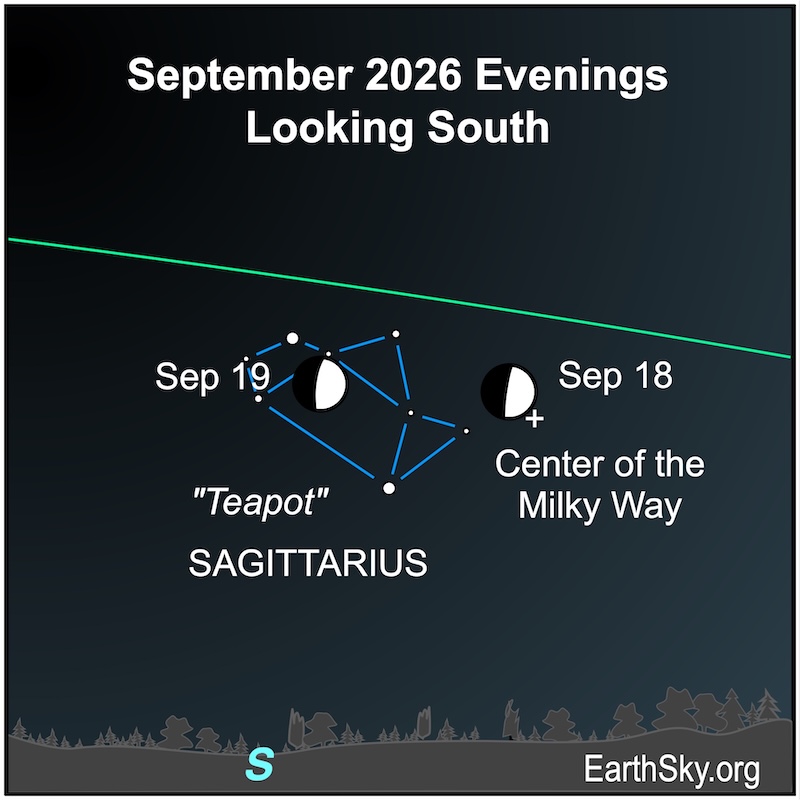
On the evening of September 18, the 1st quarter moon will lie low in the south near the direction of the center of the Milky Way. It’ll be near the spout of the Teapot asterism of Sagittarius the Archer. Then, on the following evening, the waxing gibbous moon will float among the stars of the Teapot. They’ll set around the middle of the night. Chart via EarthSky.
در تاریخ ۱۸ و ۱۹ سپتامبر، ماه در فاز تربیع اول و سپس به صورت بدر برآمده، در بخش جنوبی آسمان و در نزدیکی صورت فلکی کماندار (قوس) و ساختار قوریشکل آن قرار میگیرد. برای بررسی دقیق وضعیت آسمان بر اساس موقعیت جغرافیایی خود، علاقهمندان میتوانند نسخه وب استلاریوم را بررسی کنید را مد نظر قرار دهند.
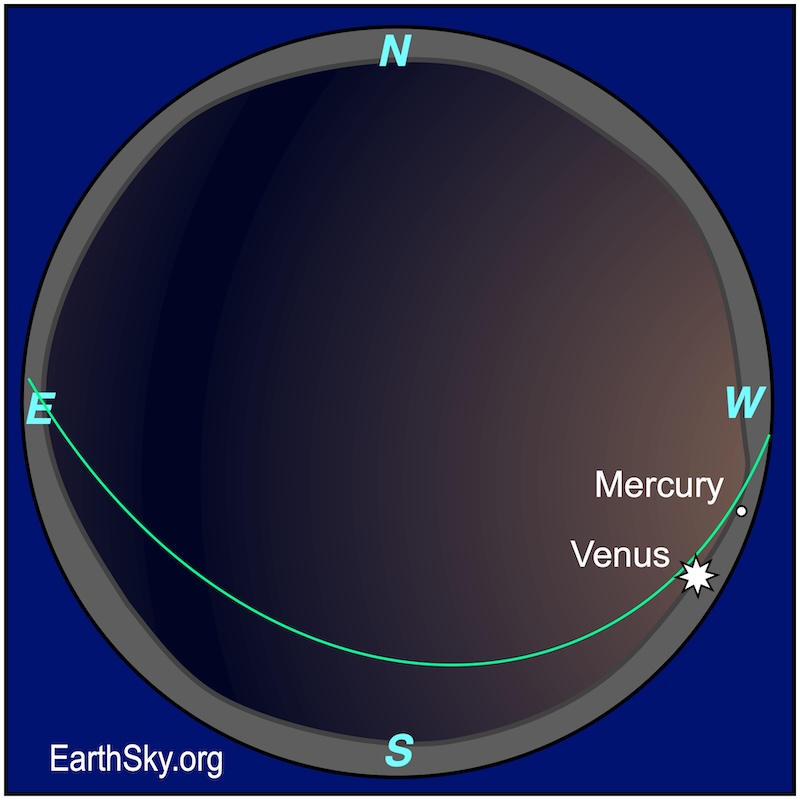
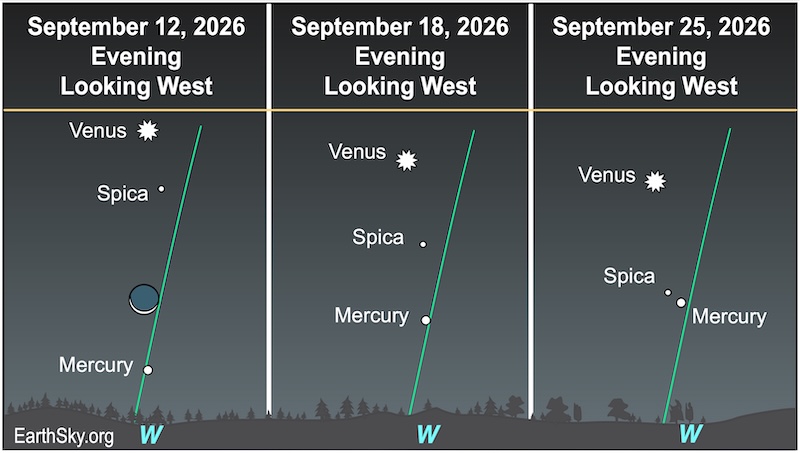
The late September evening sky features 2 planets: Both are low in the west after sunset. But only one — Venus — is easy to see from Earth’s Northern Hemisphere. And Venus is currently at its greatest brilliancy, a blazing eerie light low in the western twilight. Meanwhile, Mercury will be at its greatest distance from the sun on October 12. But, for us on the northern half of Earth’s globe, Mercury’s distance from the sun is nearly all sideways along our western horizon. So it’s tough! But, if you’re in the Southern Hemisphere, this is your best evening view of Mercury all year. Chart via EarthSky.
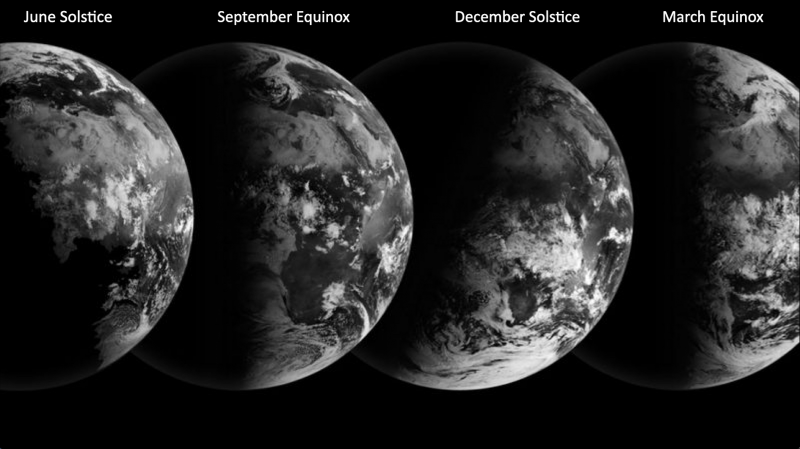
در اواخر سپتامبر، سیاره عطارد نیز در آسمان غروبگاهی دیده میشود، هرچند رصد آن از نیمکره شمالی به دلیل زاویه قرارگیریاش نسبت به افق دشوارتر است. در مقابل، اعتدال پاییزی در تاریخ ۲۳ سپتامبر رخ میدهد که نشاندهنده عبور خورشید از بالای خط استوای زمین و آغاز فصل پاییز در نیمکره شمالی و بهار در نیمکره جنوبی است.
These are satellite views of Earth on the solstices and equinoxes. The September equinox – aka the autumnal equinox – marks the sun’s crossing above Earth’s equator, moving from north to south. Earth’s tilt on its axis is what causes this southward shift of the sun’s path across our sky at this time of year. Earth’s tilt is now bringing fall and winter to the Northern Hemisphere. At the same time, the September equinox marks the beginning of spring – and a shift toward summer – in the Southern Hemisphere. The sun crosses the celestial equator – a line directly above Earth’s equator – at 0:05 UTC on September 23, 2026 (7:05 p.m. CDT on September 22). And it’s 12:05 p.m. New Zealand Standard Time on September 23. Read more about this image. Images via NASA Earth Observatory.
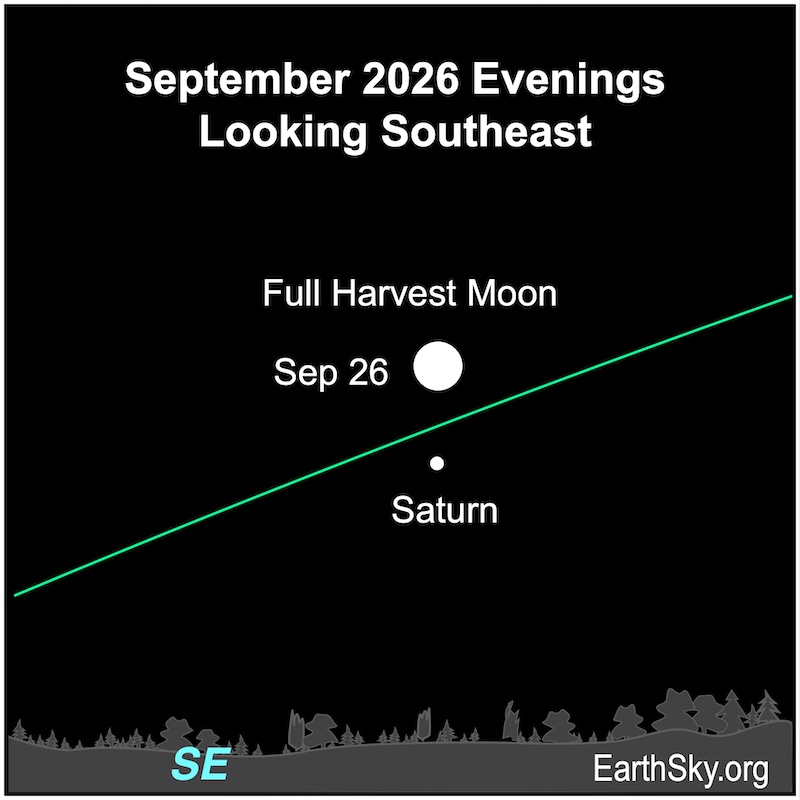
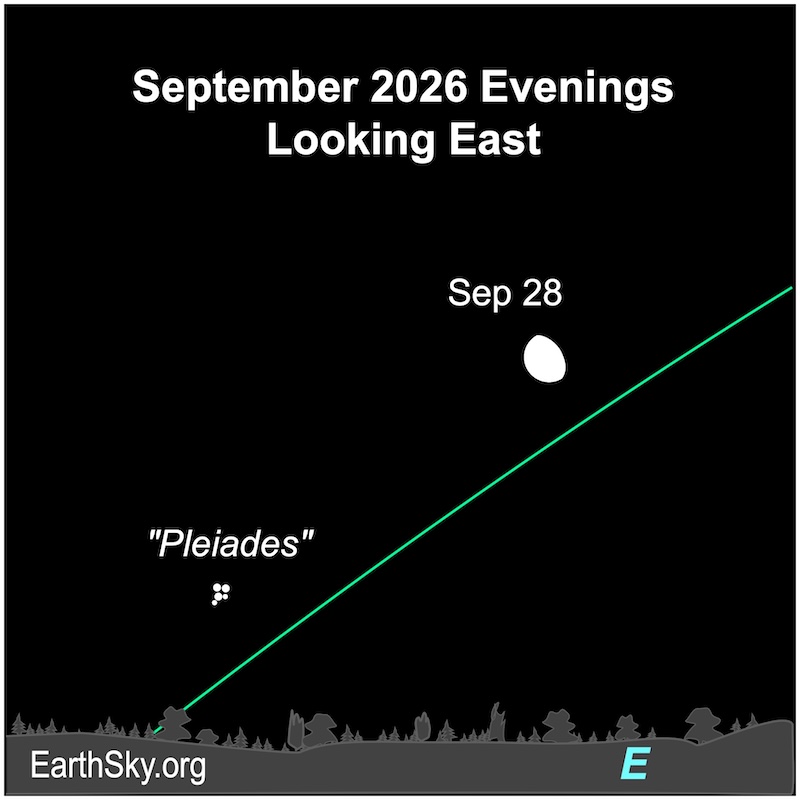
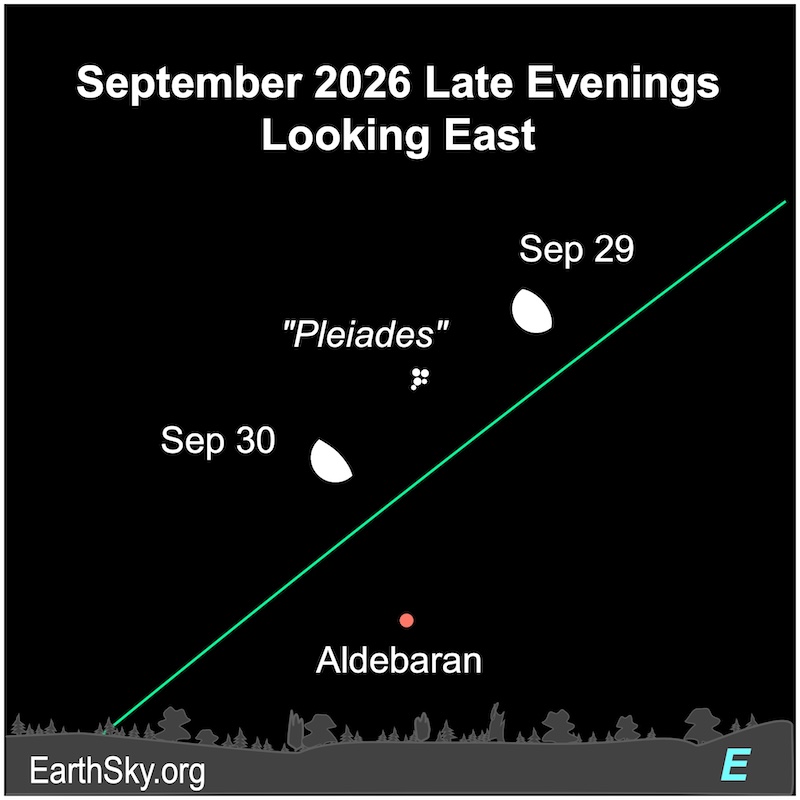
در تاریخ ۲۶ سپتامبر، ماه کامل برداشت محصول در آسمان شرقی و در مجاورت سیاره زحل پدیدار میشود. همچنین در روزهای ۲۸ تا ۳۰ سپتامبر، ماه رو به کاهش به دیدار خوشه ستارهای پروین (ثریا) میرود و در نزدیکی ستاره دبران از صورت فلکی گاو میگذرد.
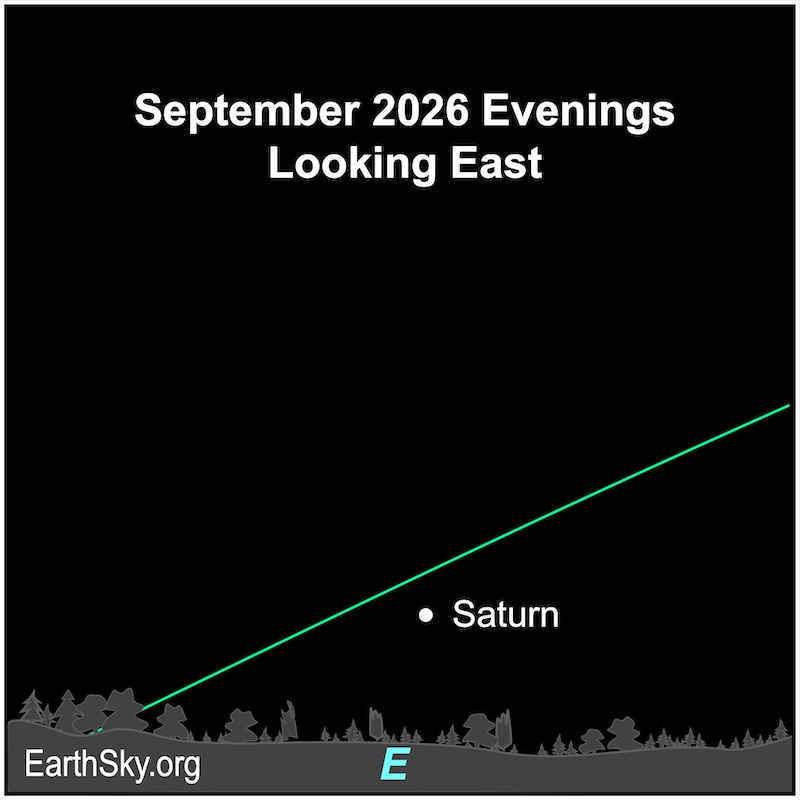
The bright full Harvest Moon will float near Saturn in the eastern sky after sunset on September 26. If you don’t spot Saturn right away, try to block out the light of the full moon with your finger. Chart via EarthSky.The bright waning gibbous moon will float near the Pleiades star cluster on the evening of September 28. Chart via EarthSky.Late on the evenings of September 29 and 30, the waning gibbous moon will visit the Pleiades star cluster. The fiery eye of Taurus the Bull, Aldebaran, will shine nearby. Chart via EarthSky.This chart is for the Northern Hemisphere. Brilliant Venus will hang low in the west shortly after sunset in early September. On September 1 and 2, it will lie in the bright twilight close to Spica, the brightest star in Virgo the Maiden. They’ll be roughly 2 full-moon widths apart. By the middle of the month, Venus has moved away from Spica. On September 14, the crescent moon will be near Venus. And around September 18, Venus will be at its greatest brilliancy. By the end of the month, Venus will be quite low in the bright western twilight. Chart via EarthSky.This chart is for the Southern Hemisphere. Brilliant Venus will hang low in the west shortly after sunset in mid-September. And elusive Mercury will lie low on the horizon, with the bright star Spica between them. The moon will also float between them on September 12. Around September 18, Venus will be lower in the sky, and Mercury will be easier to spot. Venus will also be at its greatest brilliancy. Then, around September 25, Mercury will lie close to Spica. Chart via EarthSky.Saturn will lie in the east in the evening hours of September. It is in a lonely part of the sky as there are no bright stars near it. Chart via EarthSky.
در ساعات پیش از طلوع آفتاب نیز سیارات مشتری و مریخ در آسمان صبحگاهی خودنمایی میکنند؛ مشتری در کنار ستاره قلبالأسد قرار میگیرد و مریخ از نزدیکی ستارههای توأمان عبور میکند.
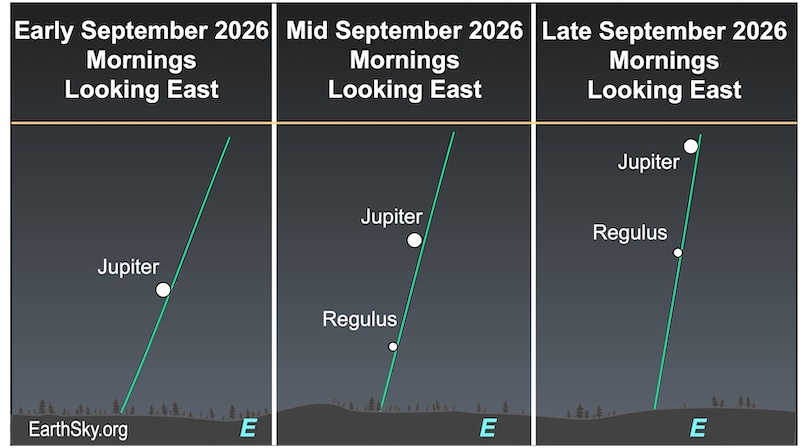
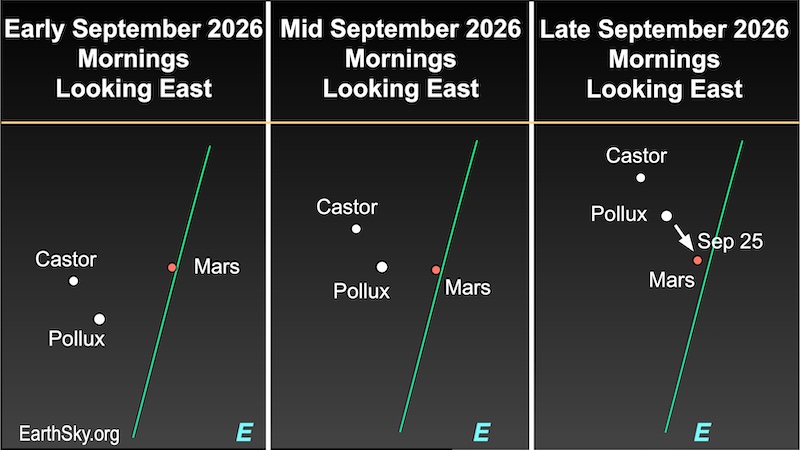
Bright Jupiter will lie in the east shortly before sunrise in early September. By mid-month, it will be joined by Regulus, the brightest star in Leo the Lion. At the end of September, their gap will narrow as they climb higher above the eastern horizon. Chart via EarthSky.Red Mars will float near the stars Castor and Pollux high in the eastern sky shortly before sunrise in early September. By mid-month, Mars will move close to Pollux. Then, on September 25, Mars will line up with Castor and Pollux. Chart via EarthSky.
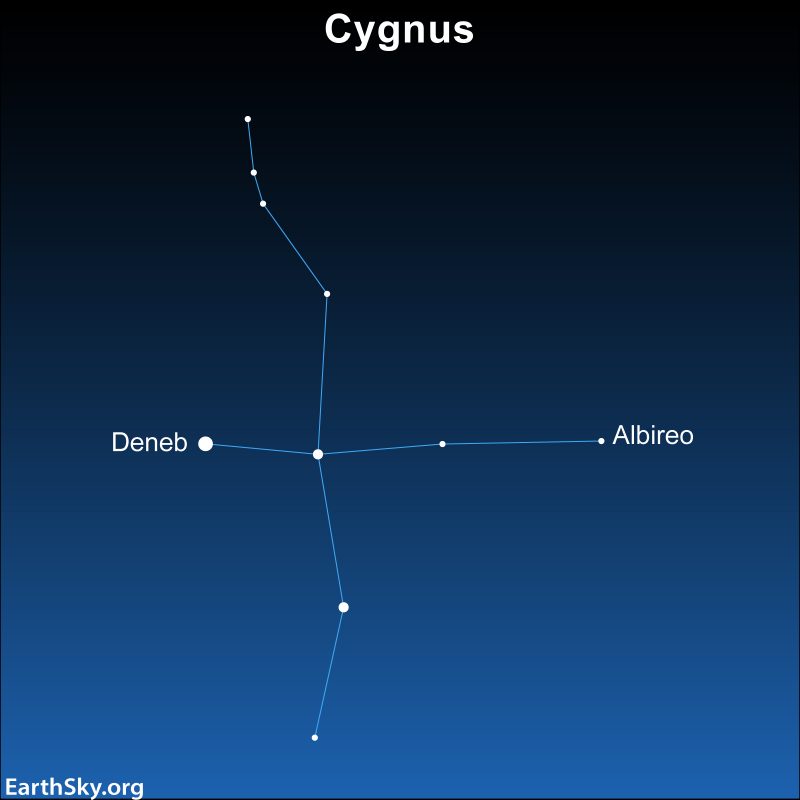
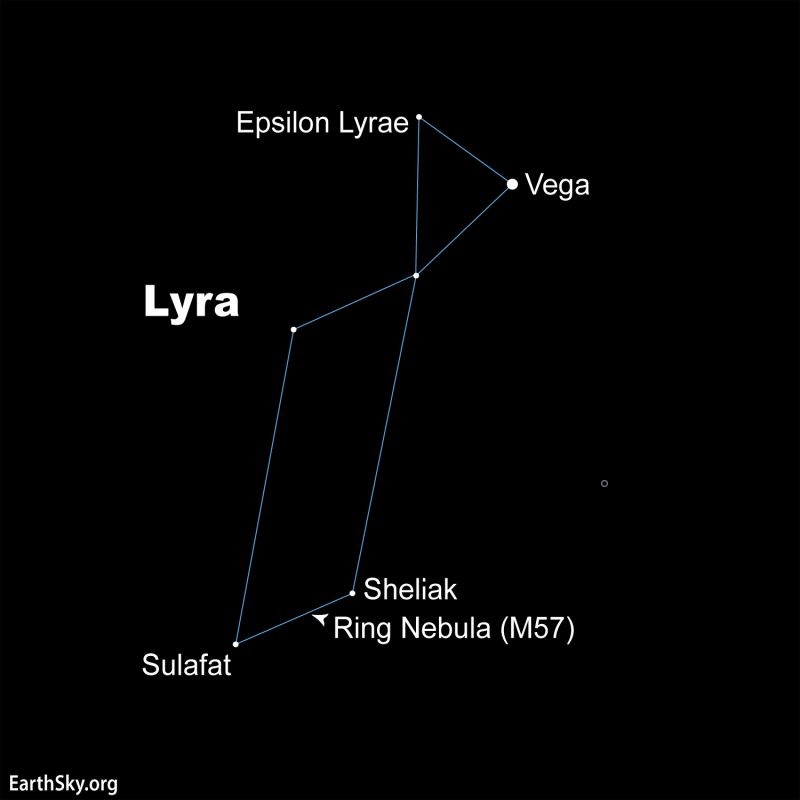
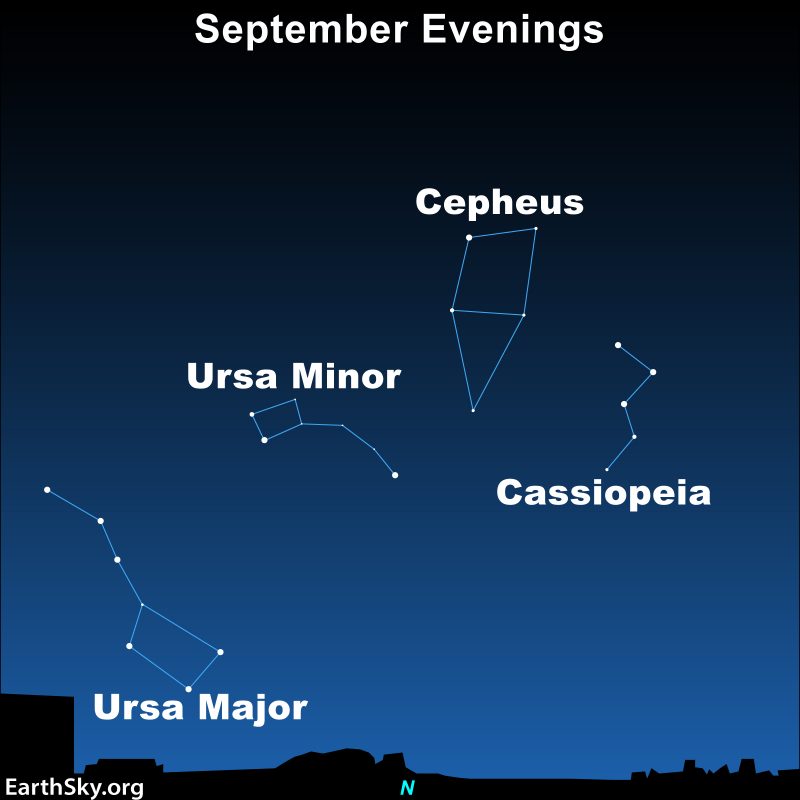
هنگام رصد در شبهای سپتامبر، صورتهای فلکی تابستانی و پاییزی مانند ماکیان، شیاق و قیفاووس در آسمان قابل تشخیص هستند. برای دسترسی به نماهای دقیقتر و متناسب با منطقه سکونت خود، استفاده از ابزارهای آنلاین مانند استلاریوم وب را بررسی کنید پیشنهاد میشود.
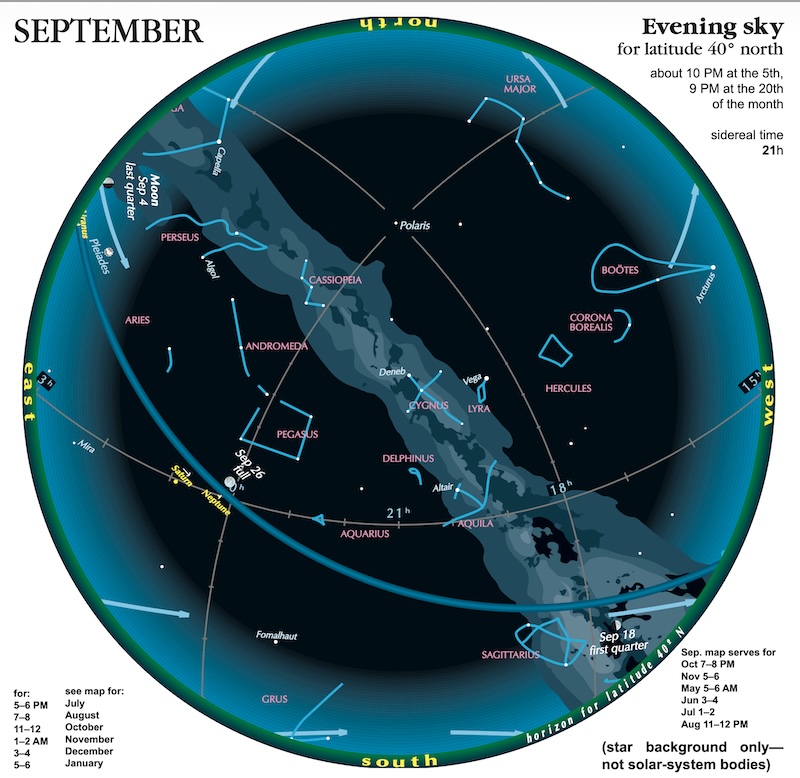
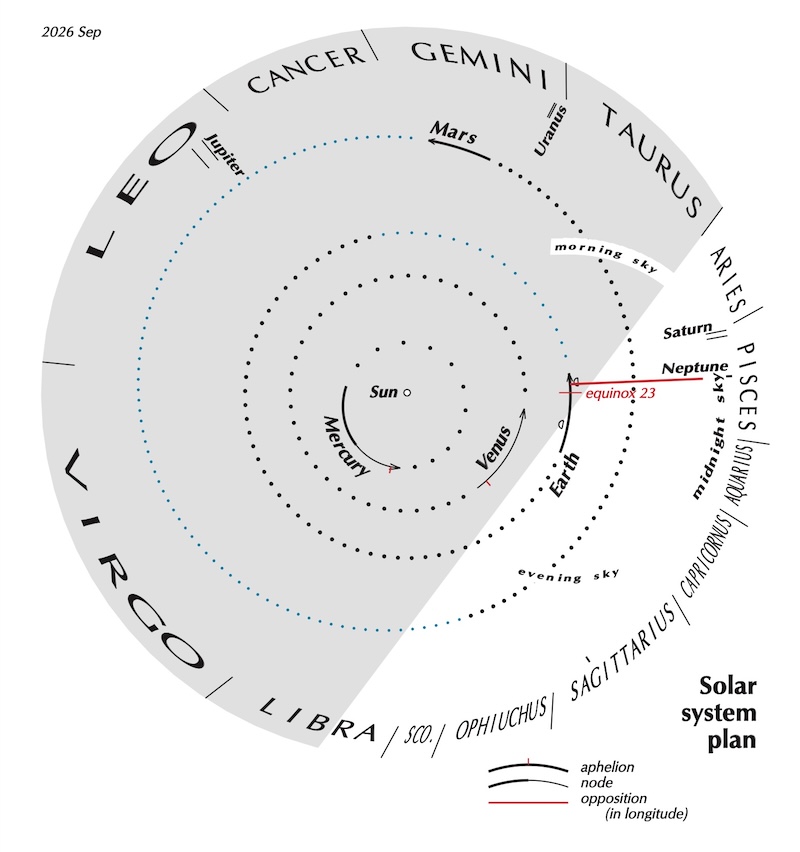
If you have a dark sky, it’s easy to observe the edgewise view into our own galaxy – our Milky Way – spanning across the heavens. Need help finding it? Look toward the constellation Cygnus the Swan. You might know this constellation by its asterism, the Northern Cross. The Swan swims along the Milky Way. Its brightest star is Deneb, the Swan’s Tail. Additionally, the constellation Cygnus contains one of the most beloved double stars in the sky, Albireo, which appears blue and gold.The constellation Lyra the Harp is another summer favorite. It consists of a triangle and a parallelogram. Its brightest star is Vega Then, look next to it for the famous Double Double Star, Epsilon Lyrae. It’s really 4 stars in all.On September evenings, the house-shaped constellation Cepheus the King lies upside down in the northern sky. It’s between the W shape of Cassiopeia and the Little Dipper, an asterism in Ursa Minor.Here is the sky dome view for September 2026. It shows what is above the horizon at mid-evening for mid-northern latitudes. The view may vary depending on your location. Image via Guy Ottewell’s 2026 Astronomical Calendar.Heliocentric view of solar system, September 2026. Chart via Guy Ottewell’s 2026 Astronomical Calendar. Used with permission. Plus Guy Ottewell explains heliocentric charts here.
خلاصه
ماه سپتامبر با رویدادهایی چون اوج درخشش زهره، اعتدال پاییزی و همنشینیهای ماه و سیارات، فرصتی عالی برای علاقهمندان به نجوم فراهم میکند تا آسمان شب را به تماشا بنشینند.
من نویسنده و مترجم حوزه نجوم و علوم فضایی هستم و به دنبال کردن اخبار و رویدادهای مهم فضایی، مأموریتهای اکتشافی و دستاوردهای جدید در علم و فناوری علاقهمندم. تلاش میکنم موضوعات تخصصی را به زبانی ساده، دقیق و قابل فهم برای مخاطبان ارائه کنم.